what foods to avoid if you have a mold sensitivity
IN THIS Commodity:
-
Mold-Containing Foods
-
Foods That Tin can Be Eaten
-
Include Anti-fungal Foods in Your Diet!
-
Avoidance of Salicylates While Healing from Mold Illness
-
Salicylates in foods
In my recovery from toxic mold illness, no dietary changes have been more crucial to me than avoiding mold-containing foods. Once I learned that numerous foods could harbor mold, and thus worsen my symptoms, I became extremely vigilant about keeping these foods out of my diet. Below is a comprehensive list of foods that incorporate mold. You may want to avoid these foods if you are struggling with a chronic illness, equally mold affliction not only makes your body more sensitive to mold and mycotoxins in your environs, just information technology can also increase your sensitivity to the substances that you lot bring into your body as food.
Mold-Containing Foods:
-
All types of cheese
-
Vinegar and foods preserved in vinegar: Salad dressings, mustard, olives, white vinegar
-
Sour cream, sour milk, buttermilk, yogurt
-
Alcoholic beverages: Beer, wine
-
Sourdough staff of life
-
Sauerkraut and other fermented vegetables
-
Preserved meats: Jerky (even organic and grass-fed jerky), smoked meats, smoked fish, sausages, corned beef, ham, bacon
-
All dried fruits: Raisins, apricots, cranberries, figs, prunes
-
Canned juice
-
Canned tomatoes
Additional Information:
-
Loftier-sugar foods and candy foods should be avoided, equally saccharide volition feed the fungal infection.
-
Pineapple, melons, and citrus take a higher propensity for developing mold. Honeydew melon and cantaloupe are ii prime number examples; you can often see mold growing directly on the rind of these melons (unless a toxic fungicide has been applied, only information technology would be best to avoid that as well!)
-
You may want to avoid eating canned foods, even if those foods are not on the "mold-containing foods" list. If any mold spores enter a vat of food before information technology is divided up and canned, the spores can replicate in the can to a degree significant plenty to crusade illness.
-
Coffee tin contain mold spores; consider purchasing a mold-gratis brand of coffee, such every bit Bulletproof java. I love Impenetrable coffee, it goes through a special procedure to determine that it is free of mold and mycotoxins. You can purchase it via the link below.
-
Launder and peel fruits and vegetables that accept grown from the ground before eating. Mold is present in the soil, and tin can contaminate the skins of fruits and vegetables.
Foods That Can Be Eaten:
-
Organic, pastured animal meats and poultry, wild-caught fish (fresh, not canned)
-
Non-Starchy Vegetables: Broccoli, cauliflower, kale, Brussel sprouts, chard, onion, leek, garlic, asparagus
-
Moderate amounts of starchy vegetables: Potato, sweet potato, turnip, parsnip, squash
-
Low-sugar fruits: Apples, berries
-
Raw nuts and seeds (except for peanuts, which are loftier in aflatoxin, a mycotoxin produced by the mucus Aspergillus flavus)
-
Healthy fats: Olive oil, kokosnoot oil, pastured organic tallow, lard, duck fat, ghee, butter, coconut oil
-
Small amounts of gluten-free grains, if tolerated: Dark-brown rice, wild rice, oats. Note that grains, even organic and gluten-free, are still likely to harbor some level of mold of mycotoxins simply due to the the methods by which they are stored and processed. It may require some self-experimentation to determine whether you tin tolerate any grains in your depression-mold nutrition.
Include Anti-fungal Foods in Your Diet!
Eliminating the foods listed above is important, simply it is also crucial to incorporate anti-fungal foods into your nutrition. Examples of these would include garlic, onions, propolis, raw dear (the exception to the "no sugar" rule), coconut oil, and other coconut products.
Avoidance of Salicylates While Healing from Mold Illness:
Salicylates are chemicals that occur naturally in many plants, including numerous edible plants. Salicylates human action as natural pesticides past protecting the plants confronting predation by other animals, and besides defend the plants against disease. Salicylates are present in a number of the foods we swallow and do non crusade problems for the average person. Nevertheless, it is possible for people to develop an intolerance to foods high in salicylates, especially if 1 has compromised gut health and a decreased power to metabolize these substances, as may occur in the case of chronic infection and "leaky gut." I personally have dealt with a pretty astringent salicylate intolerance. About a year into my journey with healing from toxic mold illness, I learned that fungi actually produce substances like in structure to salicylates; this led me to discover that the fungal infection I was dealing with as a result of mold exposure was causing me to reach "salicylate overload" in my trunk, due to the salicylate-like compounds being produced by the fungi. This led to me developing a decreased power to metabolize the salicylates (likely due to deficiencies of certain enzymes and cofactors needed to metabolize the compounds) and made it so that any additional salicylate intake from foods caused my body to go haywire and develop symptoms.
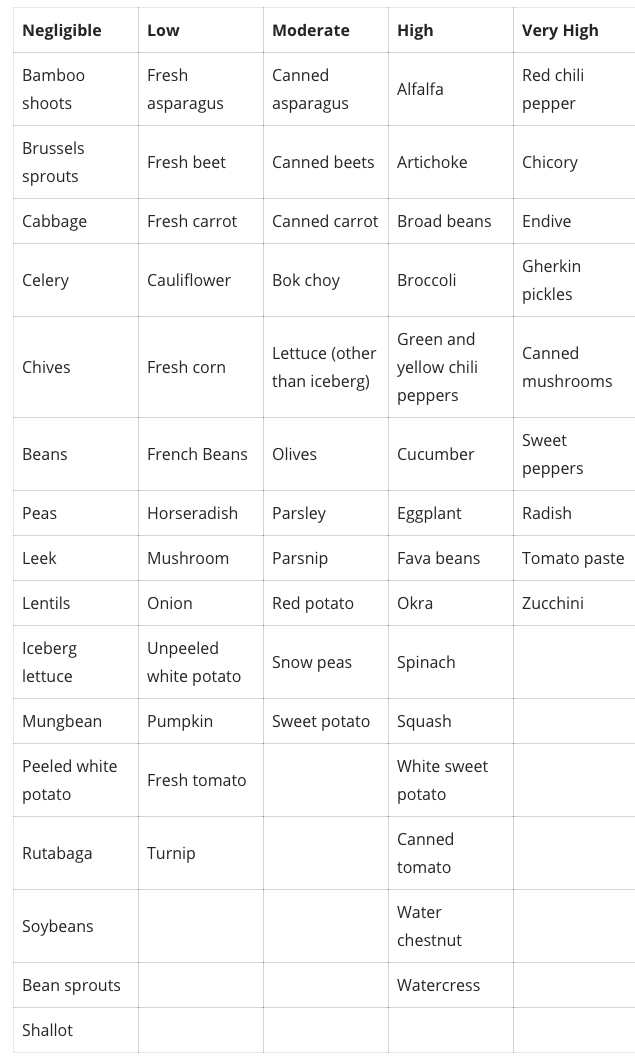
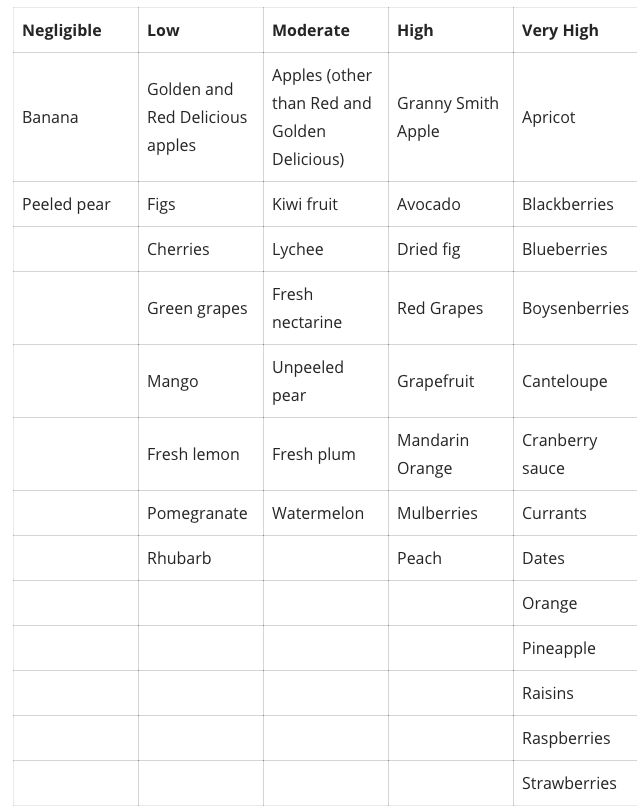
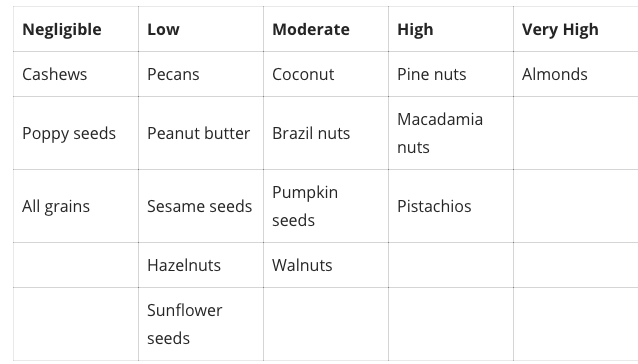
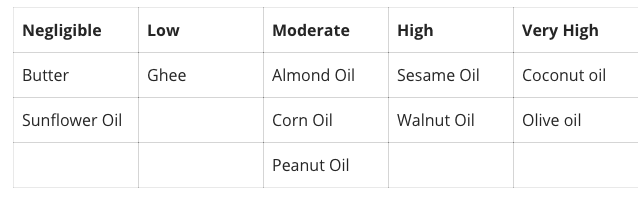
Over time, I found that by following a low-to-moderate salicylate diet, my salicylate intolerance symptoms improved dramatically. Thus, I have ultimately incorporated principles of the low-salicylate diet with the low-mold diet. This is the diet I take been post-obit while recovering from toxic mold affliction. Beneath is some information regarding symptoms of salicylate sensitivity, also as a nautical chart depicting levels of salicylates in various foods. Salicylate sensitivity symptoms ordinarily occur upon ingestion of salicylate-rich foods. However, other products such as fragrances can likewise incorporate salicylates, and inhalation of those substances tin trigger symptoms equally well. Foods that are low-mold may still be moderate or high in salicylates, and potentially cause problems for those who are sensitive.
Symptoms of salicylate intolerance from the Food Intolerance Network ( i )
-
Headaches and migraines
-
Itchy, inflamed pare rashes such every bit eczema
-
Irritable bowel symptoms – acrid reflux, nausea, vomiting, bloating, gas diarrhea, constipation
-
Bedwetting, cystitis
-
Asthma, stuffy or runny nose, nasal polyps, frequent throat clearing
-
Behaviour issues such as irritability, restlessness, symptoms of ADHD
-
Sleep disturbance – difficulty falling comatose, night terrors, frequent nighttime waking, sleep apnoea
-
Anxiety, depression, panic attacks
-
Rapid heart beat and arrythmias
-
Tinnitus, hyperacusis, hearing loss
-
Joint pain, arthritis
Salicylates in Foods (two,3,iv,5):
Salicylates in Vegetables:
Salicylates in Fruits:
Salicylates in Basics, Seeds, and Grains:
Salicylates in Fats:
Salicylates in Seasonings, Condiments, and Sugar:

As with mold-containing foods, preserved and canned foods are more than probable to crusade problems, as salicylates are increased in these types of foods. I recommend consuming primarily fresh foods, as these are likely to be the lowest in salicylates. Leftovers may be a problem for some people in regards to salicylates; I accept found that I can tolerate food that is at the most 2 days old.
As a general dominion, grains, meats, poultry, fish, and dairy products contain either no or negligible amounts of salicylates, unless they are preserved and contains spices, sauces, or preservative chemicals.
Note that levels of salicylates can too vary in produce depending on the season, whether or not the food was peeled, whether the nutrient is cooked or raw, and how ripe the food was upon harvest. Since at that place are so many factors, I would suggest keeping a food journal to keep track of your reactions to various foods, and meet if you can observe a blueprint between intake of sure foods, symptoms, and potential salicylate intolerance. This is how I determined that I had a salicylate intolerance, and it is how I finally developed a diet for myself.
Avoiding loftier-mold foods and high-salicylate foods can exist a challenge, every bit it cuts out such a wide diverseness of foods. Even so, with salicylates, there are some strategies you can take to increase your ability to tolerate these substances in food. Metabolism of salicylates requires glycine, so you may desire to try taking supplemental glycine. I recommend this brand:
Treating fungal infections and healing the gut are also fundamental for reducing salicylate intolerance. Since fungi produce compounds like in structure to salicylates, an untreated fungal infection can create a flood of salicylate-like compounds, overwhelming the body and leaving it unable to tolerate whatever boosted salicylates in the course of foods. I take found that treating fungal infections and healing leaking gut has allowed me to slowly increase my intake of salicylates. To treat my fungal infection and heal my gut, I have used the post-obit products:
But Thrive: This is a probiotic with potent antifungal backdrop. I think this is an splendid antifungal product for those who cannot tolerate herbal antifungals due to the extent of their salicylate intolerance.
Prescript-Assistance: A soil-based microorganism probiotic that can assist restore a normal remainder to the microbiome, eradicating pathogenic fungi.
Saccharomyces boulardii: An beneficial yeast that crowds out pathogenic microorganisms (including candida). Research also indicates that saccharomyces boulardii has the power to demark mycotoxins, and thus faciliate their excretion from the body.
For more data about salicylates, yous can read my previous mail on phenol intolerance (another proper noun for salicylate intolerance), "Phenol Intolerance: A Symptom of Mold-Induced Disease."
Final Note: If you decide to buy any of the items mentioned in this post, I will receive a very small commission from Amazon. This helps to back up my website and web log.
Source: https://www.ascent2health.com/blog/the-low-mold-low-salicylate-diet-for-mold-illness
0 Response to "what foods to avoid if you have a mold sensitivity"
Post a Comment