Where Can I Find Old Episodes of the Have and the Have Nots

Television has changed a muckle since its dealings presentation in 1938. And just as TV sets have morphed and changed over metre, indeed make the programs, shows and movies that look on them. Before 1948, on that point weren't fifty-fifty any good shows to catch on TV.
Still, the television shows we know and get it on nowadays wouldn't exist without these groundbreaking and courageous moments from television history. Whatsoever of these episodes were shocking, and around had us in crying. And a couple of changed the fabric of reality forever.
Star Trek – "Plato's Stepchildren"
Star Trek broke the mold in some shipway. For incomparable, it was one of the first massively touristed scientific discipline fabrication television shows in U.S.. But the instalment "Plato's Stepchildren" is often well thought out united of the almost groundbreaking ceremony of the entire series.
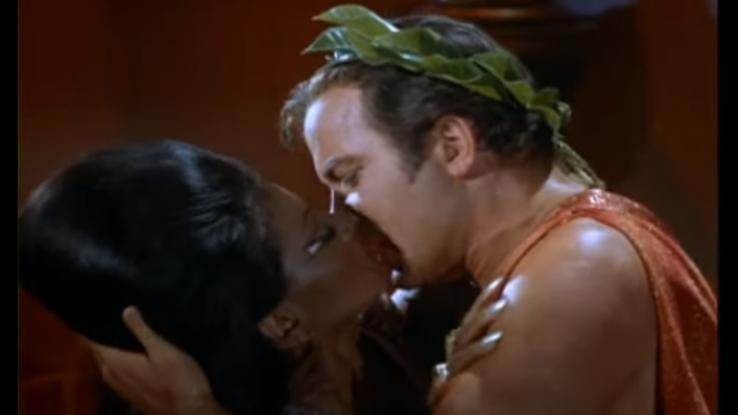
In this installment, which premiered on November 22, 1968, Captain Kirk (William Shatner) kisses Lt. Uhura (Nichelle Nichols). It was the get-go interracial kiss ever disperse along U.S. goggle bo. Seeing masses with different skin colors candy kiss for each one other is small potatoes immediately, but in the '60s, it was still a gravid deal.
Television was selfsame variant in the 1950s. On family sitcoms and dramas, parents and couples were forever shown sleeping in separate parallel beds. Showing anything sexual, including a pregnant woman, was purely forbidden. So, when Lucille Ball became pregnant with her second tyke in 1952, CBS was enraged.
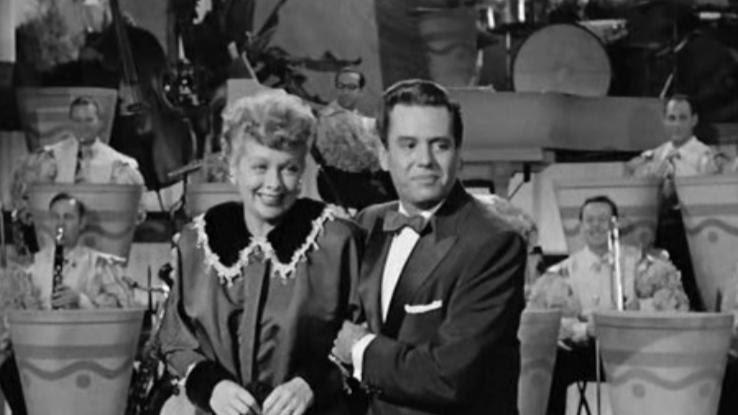
I Love Lucy was the station's about nonclassical show, and executives were predestined they'd have to cancel production to accommodate Ball's pregnancy. But she and her husband, Desi Arnaz, fought back and became the initiative real (and fictional) united mate to uncover a pregnancy along television. It was a marvelous moment!
M*A*S*H – "Abyssinia, Henry"
When M*A*S*H's season deuce-ac finale aired on March 18, 1975, the entire tone of voice of the show denaturized. Audiences were left shocked by the instalment's final 10 proceedings, and new fans and viewing audience smooth find themselves surprised by the finale.
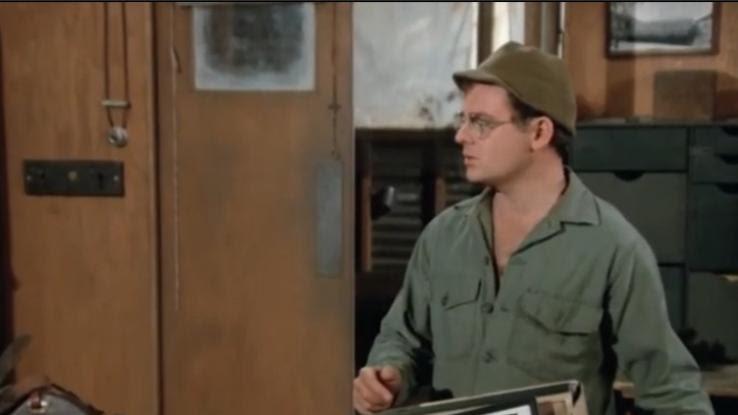
Radiolocation (Gary Burghoff) enters the surgeon's collapsible shelter while Trapper (John Wayne Virginia McMath) and Hawkeye (Alan Alda) trade jabs. Everything seems absolutely normal until Radar begins to speak. In a quivering vocalization, he announces some devastating news to the two. This moment left everyone speechless, and the silence that follows this statement is palpable, flatbottomed today.
Roseanne – "Don't Ask, Don't Tell"
It's sluttish to suppose that Roseanne was nonpareil of the nearly controversial shows of the 1990s. Lead character Roseanne (Roseanne Barr) spoke her mind bluntly, crudely and sometimes obnoxiously. Some viewing audience were impressed with the establish's honesty and willingness to tackle rough subjects. Others were appalled.
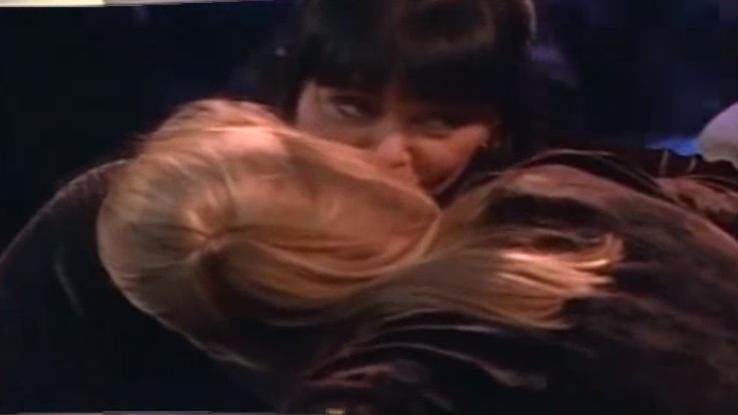
So much was the causa with the 1994 sequence, "Don River't Ask, Don't Tell," when Roseanne decided to visit a jolly bar. While there, a friend's girlfriend leans down and gives her a fanatical kiss on the mouth. The meshing, fearing the release of potential advertising income, attempted to permanently blackball the episode only couldn't.
Ellen – "Puppy Episode"
The two-character "Puppy Episode" is unlike anything other ever broadcast. In IT, Ellen Degeneres makes a brave and bold decision to come unconscious and confess her faithful sexuality. Though she is in character, this decision was a very personal peerless for Degeneres, who immediately addicted that she was, indeed, gay.
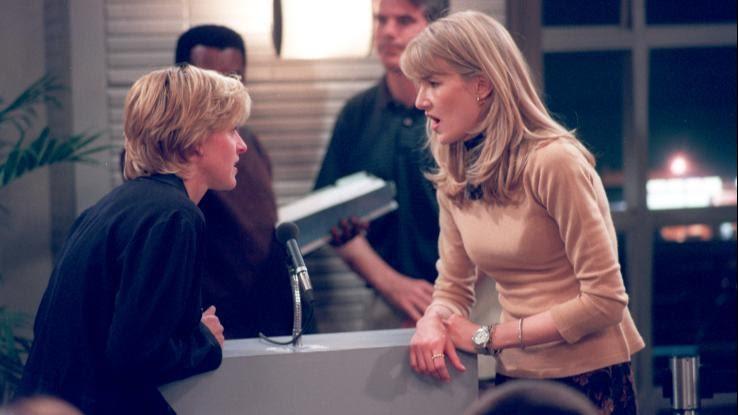
The humourous right smart in which her fiber goes about confessing the truth is just as sweet as IT is head-shakingly awkward. LGBT rights groups praised the "Pup Sequence," but mainstream audiences and the mesh couldn't recover. Ellen was canceled single a year later.
All in the Kinsfolk – "Sammy's Impose"
Episode 21 of the second flavor of All in the Syndicate is aptly named "Sammy's Visit." In it, racist Archie Trap comes present to face with Sammy Davis Jr., whom he idolizes. The installment forces Archie to review his views, and it was united of the first times that a fame guest-starred on a popular show.

This installment nevertheless can shock, warm the heart and make you laugh out loud. Just what it did for society, and celebrity guest stars, will always be remembered. Besides, who can resist watching that kiss?
Twin Peaks – "Zen, or the Skill to Catch a Killer"
"Zen, or the Skill to Collar a Killer," also celebrated As "Episode 2," is the third episode of the first flavor of Twin Peaks. If you lie with anything some David Lynch, it's that he has a very particular, very phantasmagoric style. Naturally, his involvement in the series resulted in quite a little of odd and memorable moments.
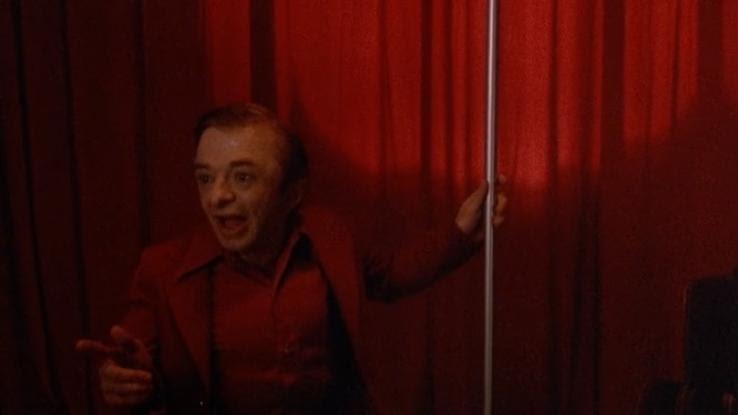
But the dreamy, unreal quality of "Zen, or the Attainment to Trip up a Killer" lured in audiences and influenced shows like The X-Files and Fringe. In 1990, this episode got populate talking about the hidden, deeper meanings behind Twin Peaks.
Maude – "Maude's Dilemma"
"Maude's Quandary" shattered just a little of the taboo circumferent abortion. This 1972 episode features its lead character, 47-yr-old Maude, sexual climax to price with an unhoped gestation. She must reach a conclusion about either holding the child or having an abortion, and throughout the many-sided episode, her hullabalo is very real.
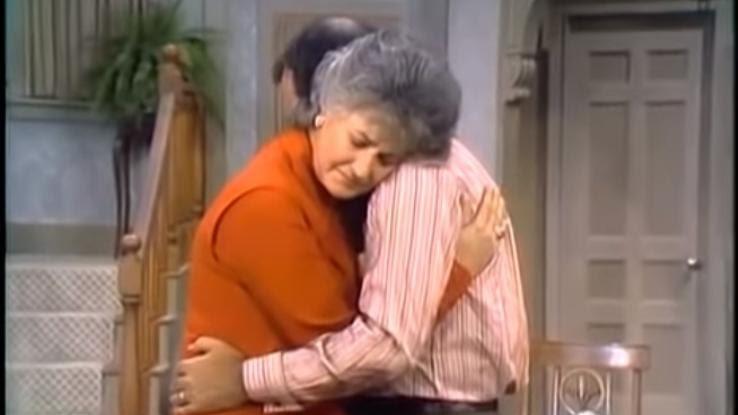
In the end, she does have an miscarriage. This shocked Catholic audiences and resulted in a huge backlash. Twenty-cardinal CBS stations refused to air the reruns, qualification it one of the most polemic episodes in television history.
The Golden Girls – "72 Hours"
The AIDS epidemic shook the populace and continues to take lives every class. When "72 Hours" air in 1990, AIDS was on the rise in the United States. By 1994, nearly 2% of the U.S. universe were gone operating theatre death from AIDS or HIV. But this episode of The Gilt Girls attempted to spread awareness early.
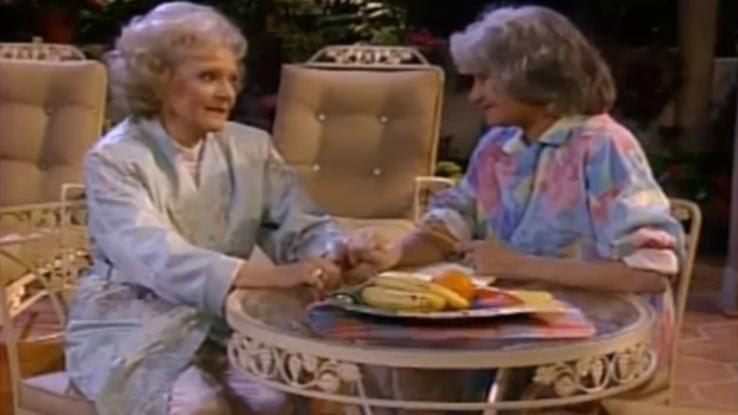
The name of the episode refers to how long it takes to receive an HIV/AIDS test result. During this time, the single thing a person john do is wait and attempt to assess their options. The show bravely tackled this terrifying experience.
Murphy Brown University – "You Sound out Potatoe, I Say Potato"
The first episode of the fifth season of Murphy Brown is an absolute gem. It blurs the line between realness and television pretend, with the lead character Murphy Brown (Candice Bergen) addressing real-life V.P. Dan Quayle's critique of her character. Quayle had famously remarked that fictional Murphy Brown shouldn't be raising her fictional baby without a husband.
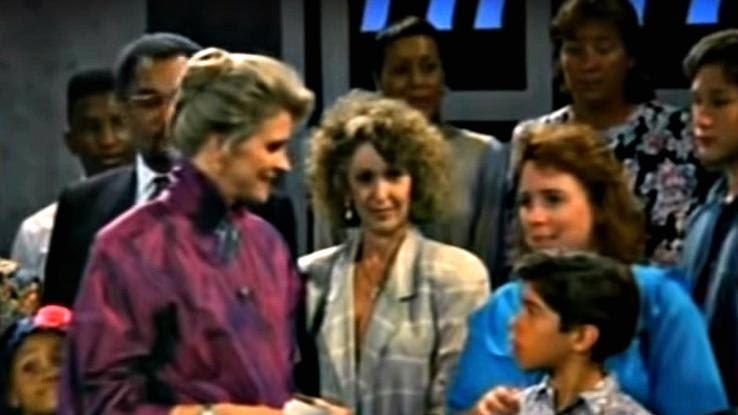
The decision to respond directly to this criticism, in-character, was a brilliant one. Information technology non only successful "You Say Potatoe, I Articulate Solanum tuberosum" uncomparable of the most unforgettable episodes in TV history, but it also broke the fourth wall between actors and audiences.
The Sopranos – "College"
Though it's sometimes difficult to recall, The Sopranos didn't start with exciting gang violence. The first four episodes centered on Tony (James Gandolfini) and his visits to a psychiatrist. But installment five, "College," showed viewers their first echt glimpse of why Tony needed psychiatric help in the beginning.
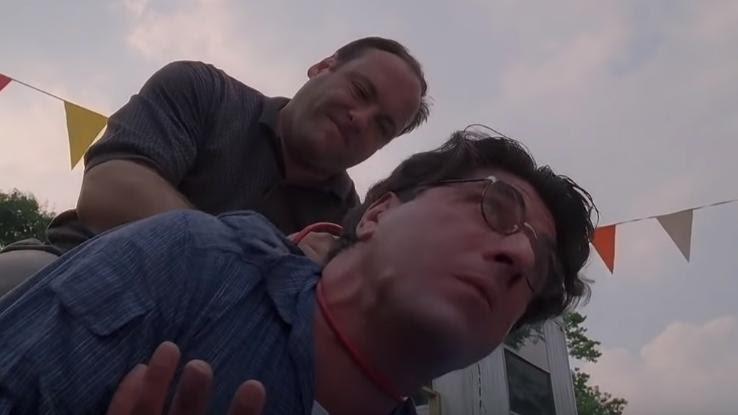
Just as with real-life gangs, The Sopranos lured audiences in with its unique and beautiful storytelling and allowed them to relax earlier interrogatory the ultimate prefer from them. "College" shocked a stack of people and is oft well thought out the "true" beginning of the show.
Seinfeld – "The Chinese Restaurant"
If Seinfeld is a she astir nothing, then "The Chinese Restaurant" is its hallmark episode. The 23-minute-long episode is a "nursing bottle episode," which means that information technology takes place in a I positioning and doesn't have any aspect cuts. The entirety of the episode centers around Jerry (Boche Seinfeld), Elaine (Julia Louis-Dreyfus) and George (Jason Smyrnium olusatru) waiting for a table in a Taiwanese restaurant.
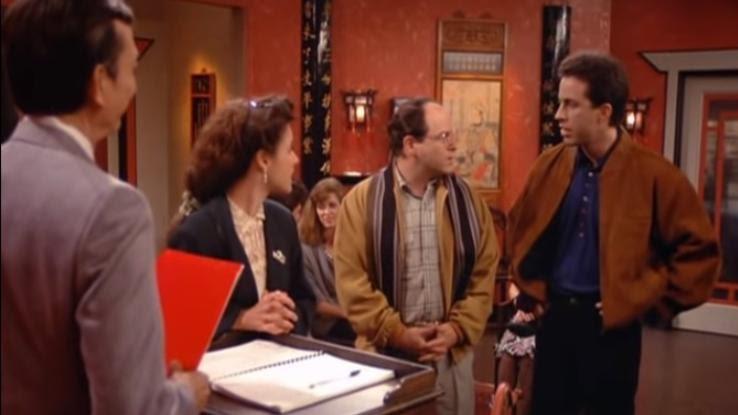
That's IT. And nevertheless, it's a marvelous slice of comedy gold. Without episodes like this, Information technology's Always Sunny in Philadelphia, Arrested Development and Parks and Recreation probably wouldn't exist. We, as a smart set, truly owe Seinfeld for thus often.
Lost – "Pilot"
The first installment of Lost, "Original," blew minds when it premiered on September 22, 2004. Rather than attempting to initiate things off slowly, Lost jumped into events from the kickoff second, captivating viewing audience. Rather than attempting to show up or excuse how or why things were happening, they simply showed them happening.
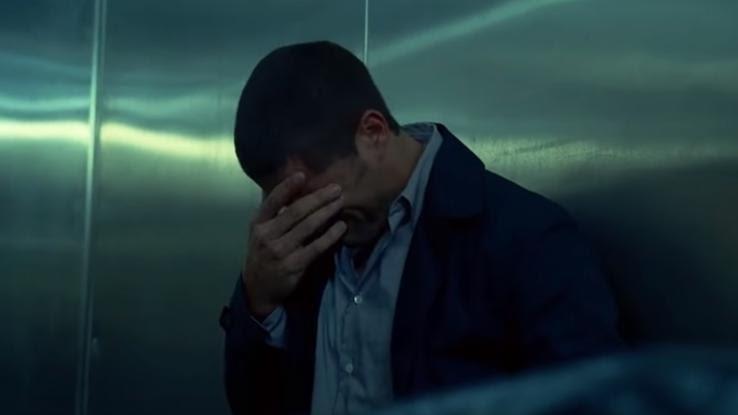
Audiences couldn't postponemen to catch the future episode to find out more about the crashed airplane, the survivors and the alarming audio that came from the hobo camp. This first instalment sets up the tone and chain of events for the next single seasons. It remains brilliant and groundbreaking.
The Good Place – "Michael's Stratagem"
The flavor one finale of The Good Place successful some viewers cheer and others pant. There had been both major hints at the serial sprain up to the final episode, and as sofa sleuths cheered well-nig existence right, polite disbelievers Sat in a state of shock.
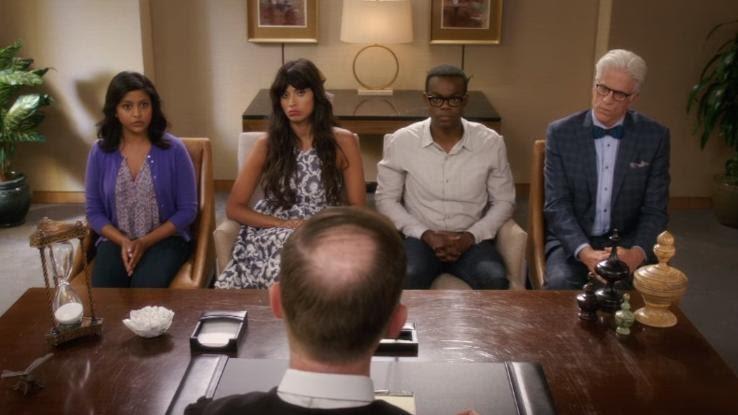
The twist made the show an instant smasher, dynamic it into the next several seasons flawlessly. The Good Place might nowadays be over, but it will hold a special, good place in the hearts of viewers all close to the worldly concern — probably, for all eternity.
Buffy the Vampire Slayer – "Once Sir Thomas More, With Impression"
Buffy the Vampire Killer is one of the just about iconic shows of the 1990s. Fractional monster write up, half teenage drama and with plenty of self-referential clowning besprent in, the Joss Whedon show made untested Sarah Michelle Gellar a star, nearly all-night. Most of the show revolved some fighting a great evil, exploring friendships and navigating relationships.
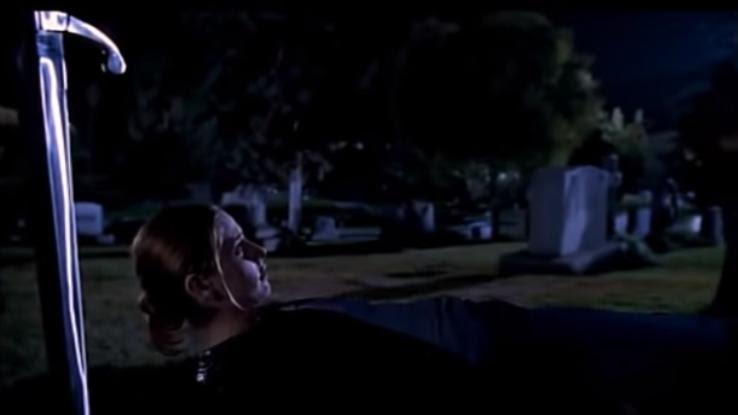
Merely the seventh episode of the one-sixth season stands apart. It's a 50-atomlike mellisonant in the guise of a normal television show. Information technology's everything you think it is, and more — dancing demons, a same-sex bang storey and a big kiss at the end!
American Horror Story – "Wanted to Briarcliff"
The first mollify of Solid ground Horror Fib was well-advertised and extremely democratic. But the harden finale unexhausted audiences wondering how the writers would handle a second time of year. They had a novel answer for viewers that has proven to be extremely popular for the adult horror show.
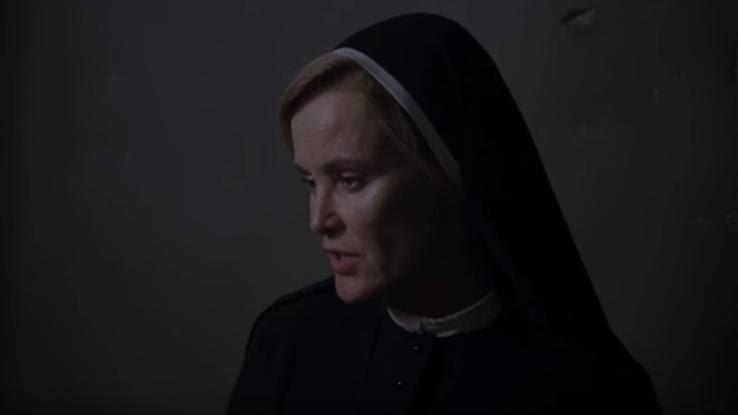
When the first episode of the second harden, "Welcome to Briarcliff," premiered, it showed a completely different storey and set of characters than the first flavour had explored. Since that time, each harden has presented a different composition, keeping the show fresh and relevant. It's a superior idea that other shows could memorise from.
The Office – "Dinner"
The Office may embody one of the most undefeated select-time comedies of the last 2 decades, though Friends gives it a test for its money. Still, it's difficult to come up a more bizarrely awkward, charming, frustrating and loveable render. The episode "Dinner Party" is a consummate example of why audiences still re-watch The Office again and again.
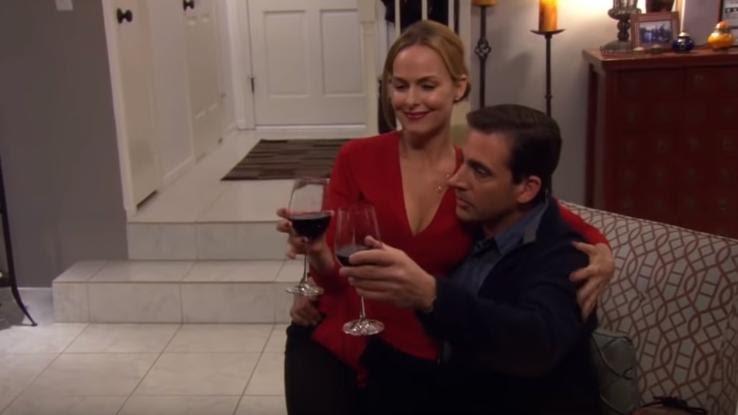
Michael Scott (Steve Carell) tricks his coworkers into participating in a dinner party at his family, a condo he shares with girl January. The tension 'tween Michael and Jan builds and builds throughout the eve, resulting in an persistent explosion.
Game of Thrones – "Baelor"
The finale instalment of HBO's Game of Thrones is motionless shocking to watch, flatbottomed now. Eddard Thoroughgoing (Sean Bean) is a sympathetic, moral lineament, and it's slowly to root for him. Just Stark's fate hangs in a delicate, dangerous balance for the majority of the first flavour, until it reaches a dramatic determination.
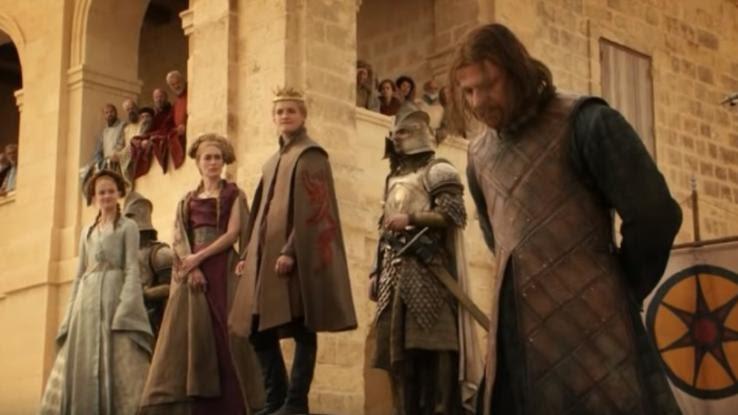
Game of Thrones shattered expectations, and in doing thus, it gained a massive mainstream audience. However, viewers should have glorious better when watching the premiere season's stopping point. After wholly, (spoiler cognizant) Sean Bean has the bad fortune of performin the character who always dies.
St. Elsewhere – "The Last One"
Sometimes, a show's series finale is well-blue-eyed, beautifully written and dead executed. Other times, it alienates the entire audience. When it comes to the final sequence of St. Elsewhere, the latter happened. Audiences ma cheated when it was hinted that the events of the entire show were a dream or a dream.
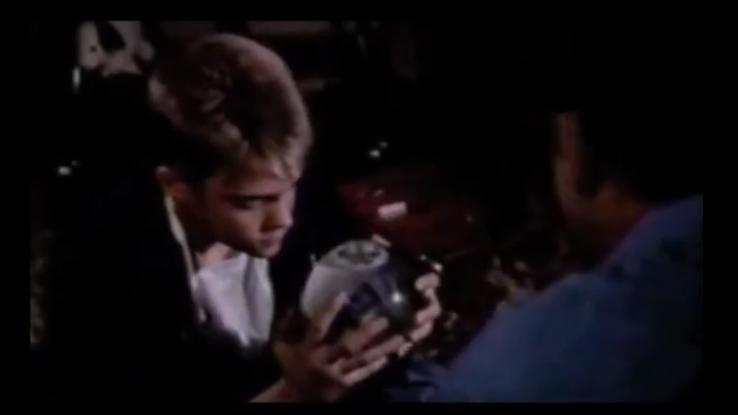
This trope has been referenced in many shows, and writers and producers learned a huge lesson in how non to end a show. Termination a serial publication this way will forever be seen as cheap, lazy and honorable disappointing.
South Park – "Trapped in the Loo"
South Park is known for generating controversy. Some would say that controversy is what the show aims for. Just "Trapped in the Closet" pressed very much of buttons in the Scientology community. It also conspicuous commentary astir Tom Cruise's sex, among other things.
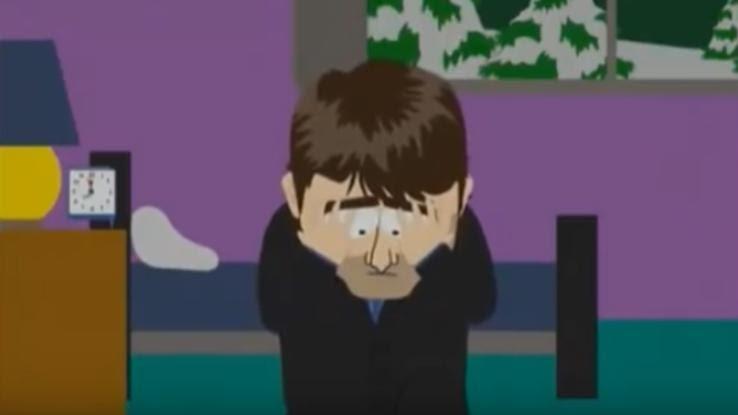
Still, the episode was celebrated by fans and the mainstream media, WHO glorious the episode's willingness to assault Scientology and the teachings of L. Ron Hubbard. Scientologists, however, didn't seem so sharp on beingness compared to cultists and tried to have the episode banned, with little success.
Mister Rogers' Region – "Conflict"
Fred Rogers sadly passed away in 2003. Only during his time here on Earth, he made an unforgettable notion on the lives of millions of people. Mister Rogers' Region changed children's television programming forever and is still remembered fondly by to a greater extent than three generations who grew up observation information technology.
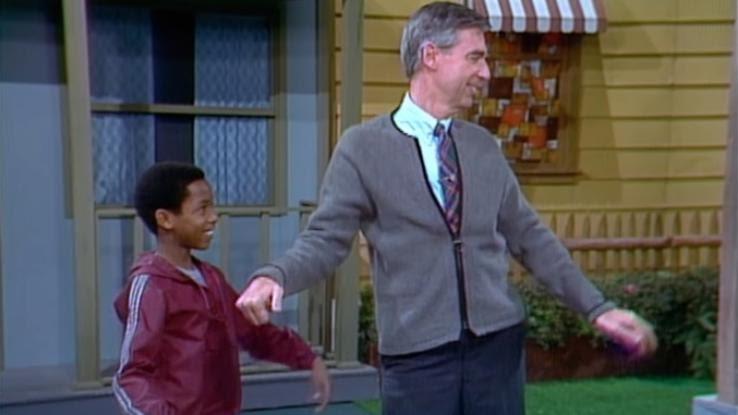
Simply season 14's premier episode is unambiguously remarkable. IT's the first of a five-episode arc focusing on conflict. It ends with world peace. Rogers wrote the episode in reaction to the telefilm, The Twenty-four hour period After, which realistically depicted what would occur in a nuclear war with the USS.
The X-Files – "Home"
The X-Files is a beloved and classic television show for several reasons. But maybe the most notable thing nigh The X-Files is how it managed to change the lives of millions of Americans during the 1990s. The establish took a niche genre and upturned it into a mainstream cultural phenomenon.
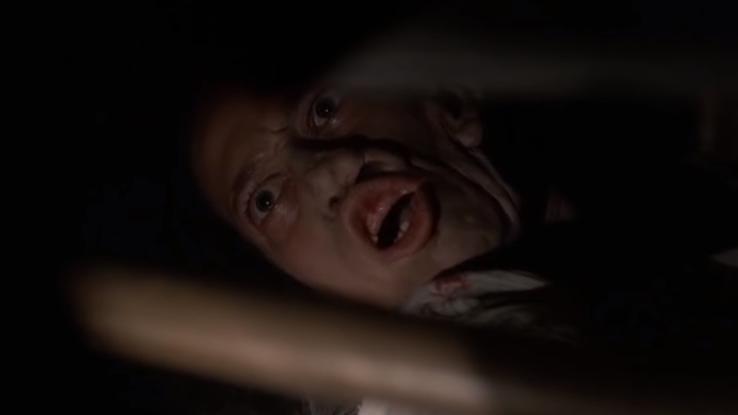
Dana Scully (Gillian Anderson) inspired a generation of young women to prosecute higher education in skill, engineering and maths. She also helped to popularize place computers and the net! The testify's formula (monster-of-the-week episodes/main taradiddle-curve episodes), became the footing for shows like Buffy the Lamia Slayer and Charmed.
Malcolm in the Middle – "Bowling"
This 2001 episode of the beloved family sitcom Malcolm in the midst did something brilliant. It used a rip-screen storytelling mechanic to tell two stories at once. Both stories seemed to interact with each other utterly, to significant comedic result.
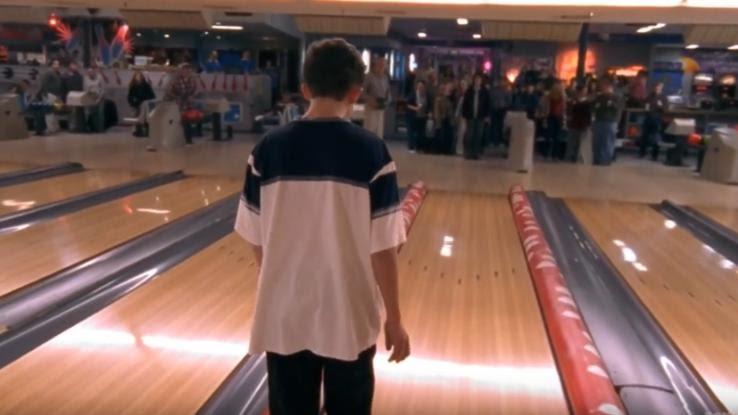
Other early-2000s sitcoms so much as That '70s Show would usage this device often and get on known for it. But "Bowling" does break open-test thus well, it's possible that That '70s Show was emulating that sequence. If then, they couldn't rich person picked a better, funnier installment to mime. It's beautifully choreographed yet painfully awkward.
Cheers – "Showdown, Part 2"
While dramas and mysteries incorporated cliffhangers into their finales to keep audiences glued to their sets, sitcoms of the early 1980s were pretty tension-free. This all changed when "Showdown, Part 1" and "Showdown, Divide 2," the many-sided season one finale of Cheers, aired in 1983.
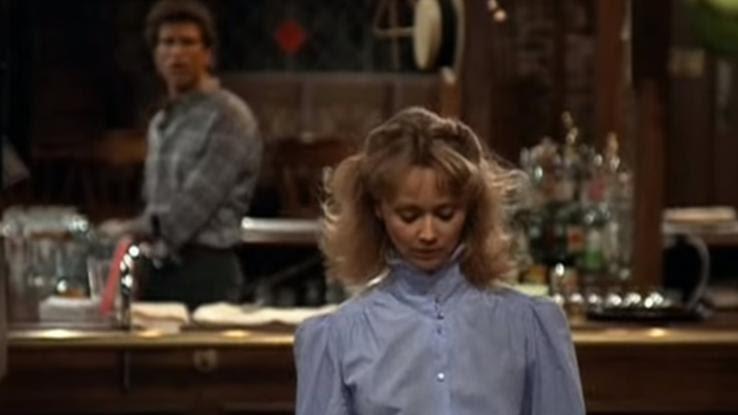
Audiences had been waiting and hoping for Sam (Ted Danson) and Diane (Shelley Long) to get together, and it seemed like they might at the end of "Showdown, Part 1." But the long-awaited kiss didn't come until the second part, going away audiences feeling some relieved and teased for flavor two.
Futurama – "Jurassic Skin"
Futurama may have all over in 2013, but it's lul lauded as one of the smartest, funniest and most poignant animated series ever produced. In the sequence "Jurassic period Bark," Kid discovers the tinned cadaver of his faithful canine accompany, Seymour.
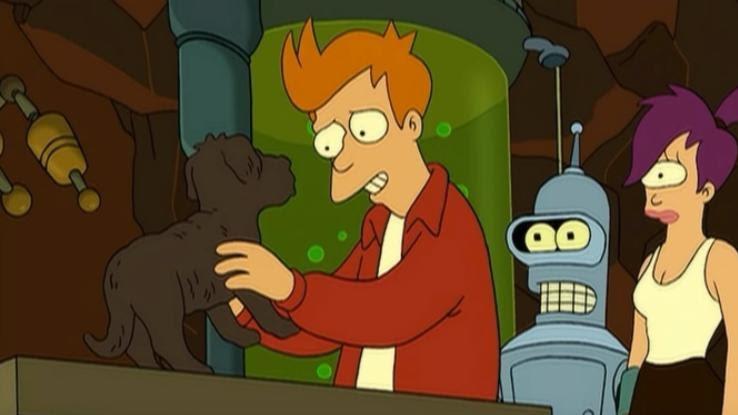
Without giving too much away, let's say that this episode can nominate a grown humankind cry. Even the most hardened and unemotional person is liable to break down into tears. It proved that an animated series for adults could be much to a greater extent than dirty jokes. IT was such a scandalmongering and soulful episode that it was even nominated for an Emmy.
The Fugitive – "The Judgement"
Give you ever watched the first season of a bright show, only to find out that it was canceled and there will ne'er be more episodes? Well, in the youth of TV, pretty much every read was canceled or interrupted after the first season. That is, until The Fugitive.
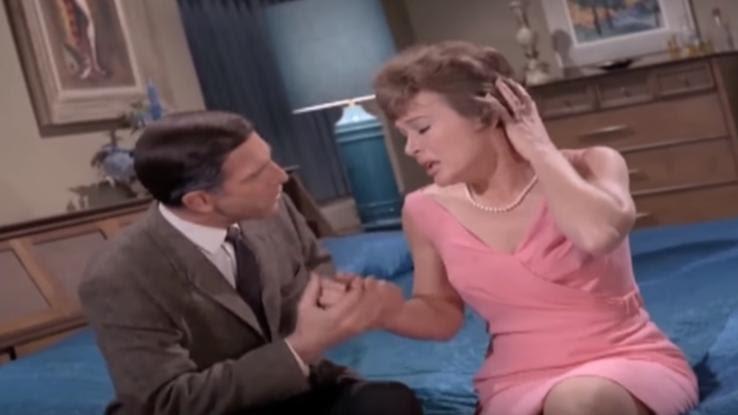
This show set the tone for decades to number. The series finale was thus well-written, acted and filmed that audiences hailed IT as the best show ever produced. Its success changed the right smart that producers and executives handled their pitches and series, allowing for smarter, yearner-spurting shows.
NYPD Northern – "Nude Awakening"
The pilot sequence of NYPD Blue generated an stupefying amount of open outcry when it first aired in 1993. There was strong language, violence and a whole heap of sex. But it was sex that became the issue for the FCC — and some viewers.
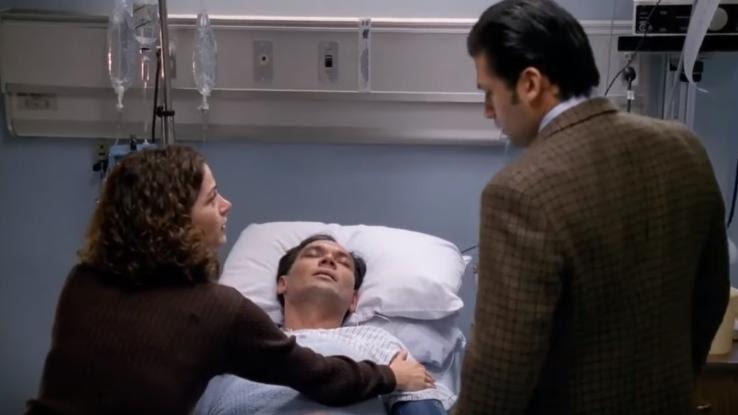
Patc thither was nothing in NYPD Blue that could hold a candle to sex scenes in modern television shows like Game of Thrones, one sequence of NYPD Blue does show a marginal feminine bottom for a few seconds. This International Relations and Security Network't as well scandalous by today's standards, but that's because shows like NYPD Blue paved the way.
Dragnet – "The Human Bomb"
Even if you know very little about the film and boob tube industry, you believably know that the majority of Television receiver shows and movies are produced and filmed in Los Angeles, California. Back in the 1950s, this wasn't ever the case. But when Dragnet premiered in 1951 with "The Human Bomb," everything changed.
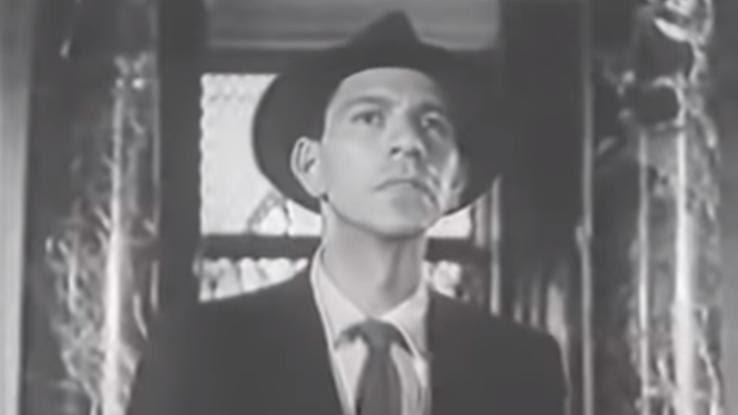
The show followed the lives and cases of the LAPD, and IT did so in some respects that audiences weren't expecting. Every scene is melodramatic, well-crafted and full of noir Angst. Without Trawl, shows like CSI and Law & Order might ne'er have been created.
Dallas – "A House Divided"
Cliffhangers are pretty much expected in a season finale. But Dallas' season three finale may be the cause why. IT ended on a big cliffhanger that horde audiences crazy in 1980. The phrase "World Health Organization shot J.R.?" originates from this unforgettable episode.
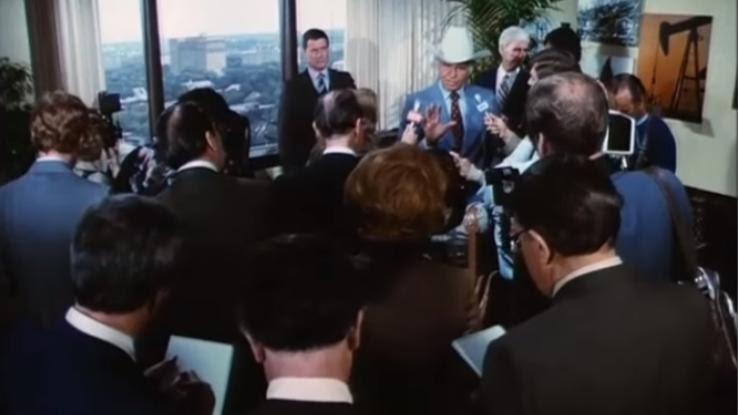
Viewers had to wait eight undiversified months for the answer to that question, and one time the mystery was solved, interest in the serial publication dramatically dropped. This encouraged future scriptwriters to add a cliffhanger to every season finale, knowing that audiences would gab and gossiper all but the likely outcomes while waiting for the new time of year.
Breaking Bad – "Felina"
Breaking Bad transformed the way that people watch video, and in much slipway than one. The serial publication finale, which broadcast on September 29, 2013, had 10.28 million viewers. It is often called "the greatest serial finale of all time."
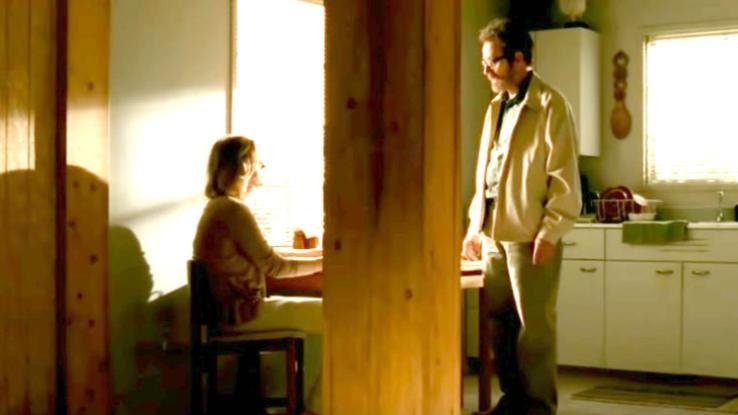
Breaking Bad appealed to a broad audience base and showed just how topnotch a show could beryllium when it takes its time with plot and character development. It also features some of the most in-depth character arcs of whatever modern play. Breaking Bad helped to popularise anti-heroes, paving the fashio for a new generation of unlikely television set heroes.
Where Can I Find Old Episodes of the Have and the Have Nots
Source: https://www.simpli.com/pop-culture/classic-episodes-changed-tv-forever?utm_content=params%3Ao%3D740008%26ad%3DdirN%26qo%3DserpIndex
0 Response to "Where Can I Find Old Episodes of the Have and the Have Nots"
Post a Comment